
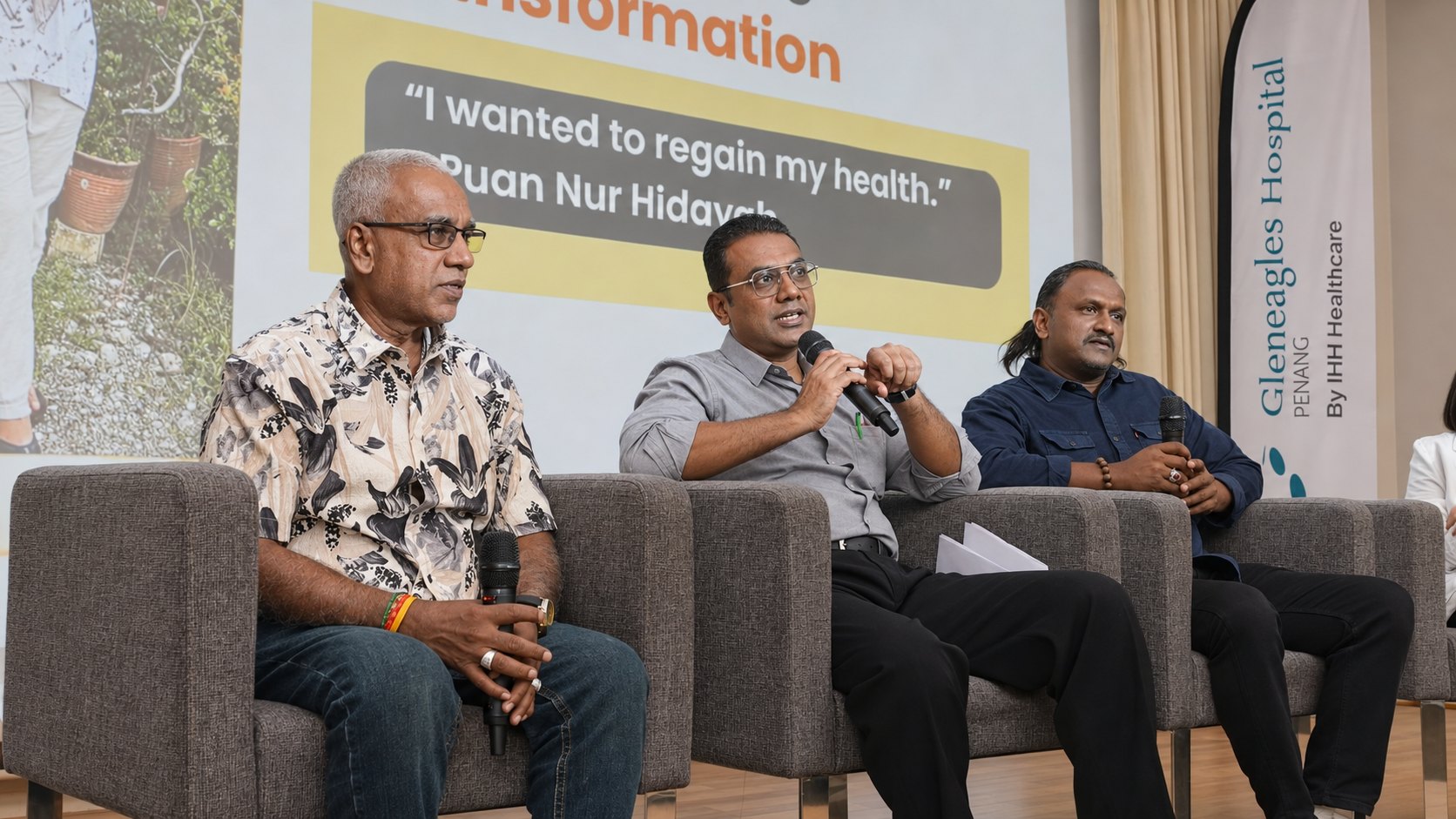
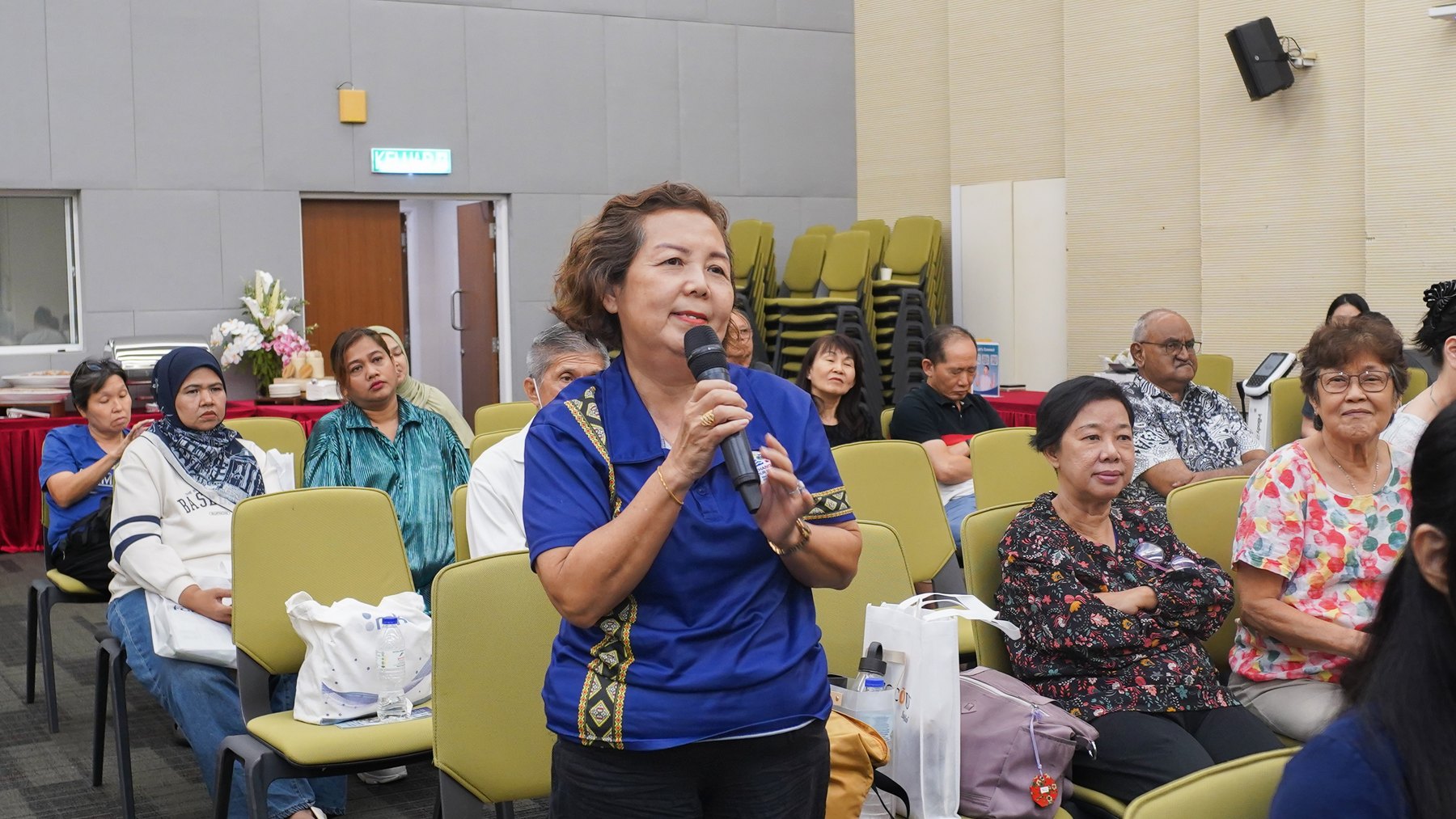
If you have ever wondered whether weight loss surgery is right for you, you are not alone. That exact question filled Pioneers Hall at Gleneagles Hospital Penang on Saturday 21 November 2026, at a free public forum called "Do I Really Need Bariatric Surgery?", organised and coordinated by Brandstorm Asia.
A surgeon, a minimally invasive surgeon, a dietitian and an endocrinologist answered the public's questions, and three former patients shared what the journey was really like. Here are five things they want you to know.
1. Obesity is a medical condition
Obesity is not simply about eating less and trying harder. It is a long term condition shaped by genes, hormones, lifestyle and environment, and it raises the risk of diabetes, high blood pressure, heart disease, joint problems and more. Seeing it as a medical condition is the first step to treating it properly.
2. Surgery is one option, not the first or only one
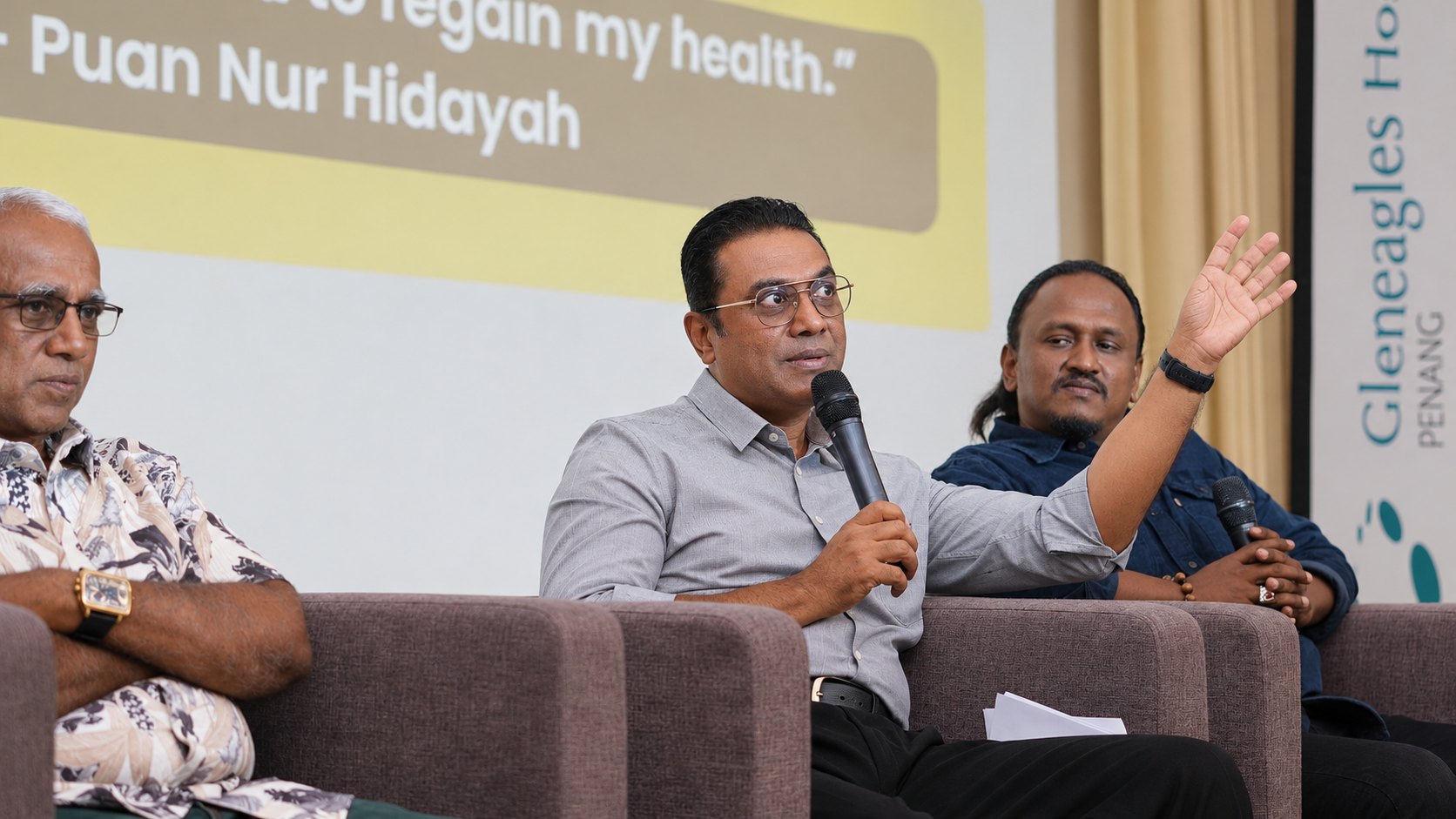
Dr Kirubakaran Malapan (Dr Kiru), Bariatric, Breast, Endocrine and General Surgeon, and Dr Vimal K. Vasudeavan, Consultant General and Minimally Invasive Surgeon, explained where bariatric surgery fits. For some people, especially those with a high BMI and related conditions who have not succeeded with other approaches, surgery can be a powerful tool. For others, diet, activity and medical treatment may be the better first step. A proper assessment decides which path suits you.
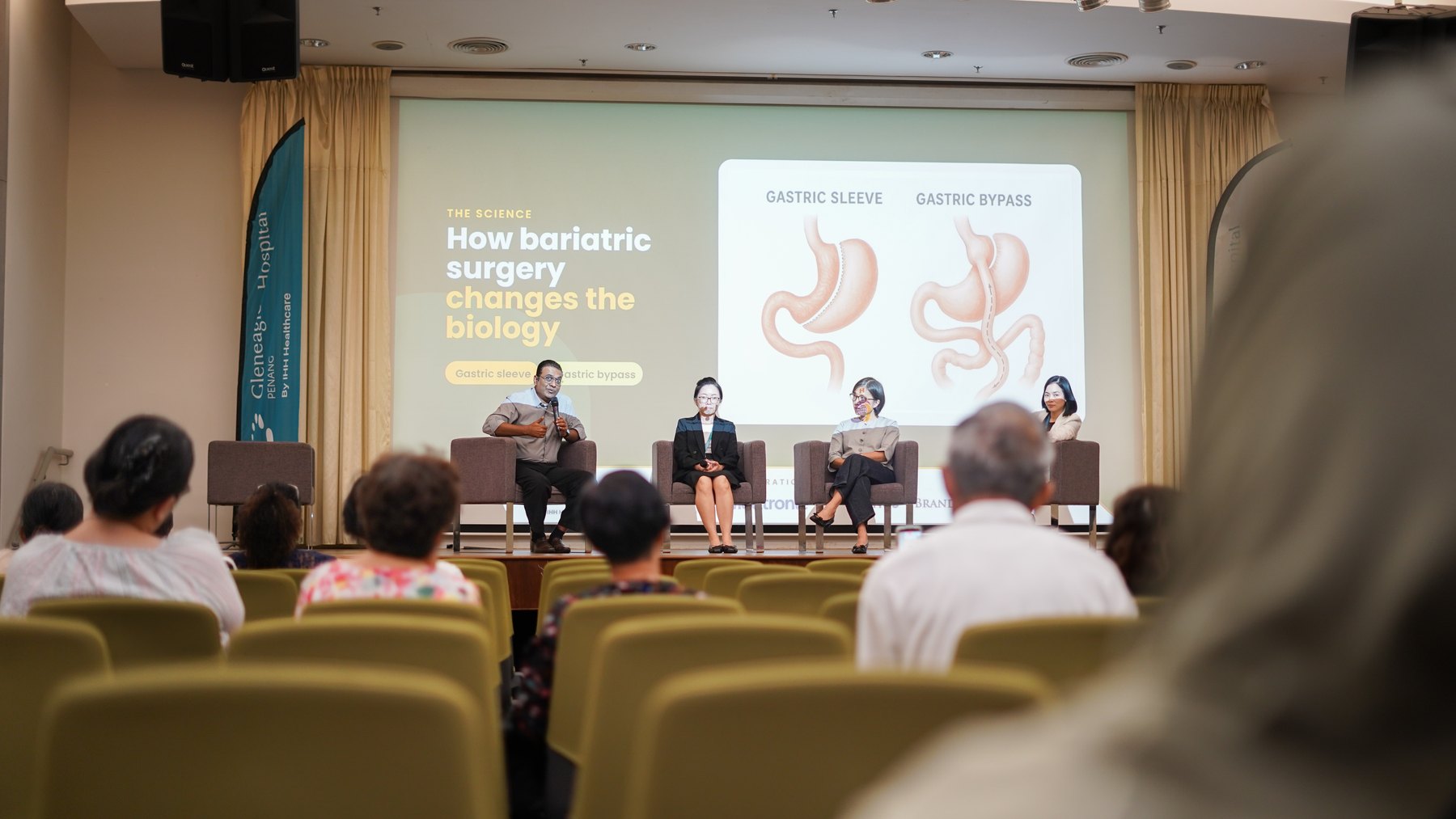
3. Surgery changes the biology, not just stomach size
Procedures such as the gastric sleeve and gastric bypass do more than make the stomach smaller. They also change the hormones that control hunger and fullness, which is why many patients find it easier to eat less afterwards. It is still a major decision, with risks and lifelong follow up, so it should always be discussed in detail with your surgeon.
4. Food and hormones still matter after surgery
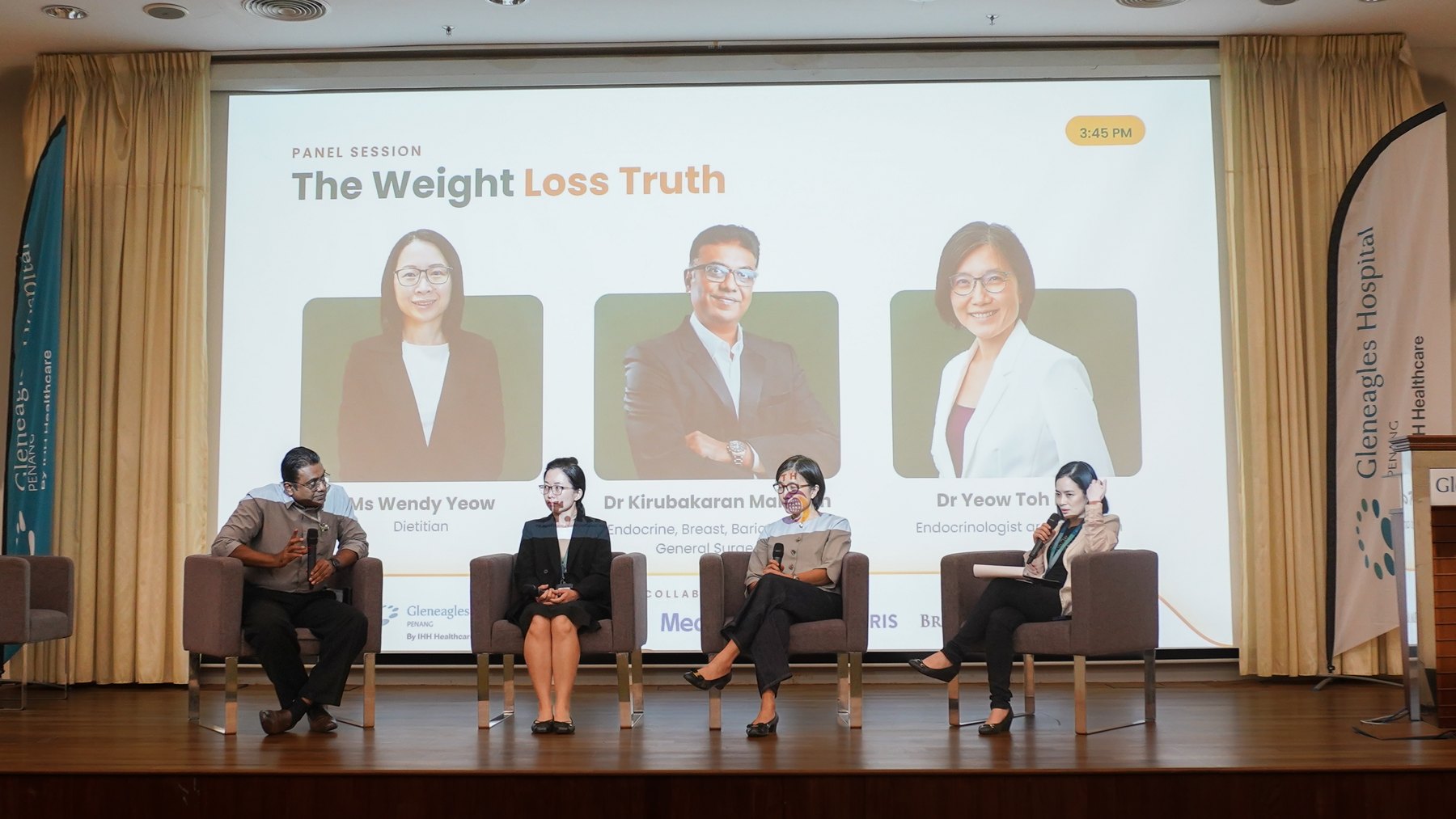
In "The Weight Loss Truth" panel, dietitian Ms Wendy Yeow and Consultant Physician and Endocrinologist Dr Yeow Toh Peng joined Dr Kiru to talk about life after surgery. Good nutrition, enough protein, regular follow ups and managing conditions like diabetes all play a big part in long term success. Surgery is the start of the journey, not the end.
5. Hear it from people who have done it
Three former bariatric patients joined Dr Kiru on stage to share why they chose surgery, what recovery felt like and how their lives have changed. Their message was simple: get the right information, ask every question, and make the decision with a team you trust.
Thinking about it? Start with a conversation
If you are struggling with your weight and wondering whether bariatric surgery is right for you, speak to a specialist for a proper assessment. Bring your questions, your medical history and an open mind.
The forum was moderated by Dr Aster Low, hosted at Gleneagles Hospital Penang, and organised and coordinated by Brandstorm Asia.